Remit, Not Grant · Department Reconsiders · Avoid Second Refusal

ART remitted your case. Do not celebrate yet.

Post-remit Department engagement is handled by Sourabh Aggarwal, Neha Sharma, and Gurjeev Bhalla across partner, skilled, and employer sponsored remit cases. A remit decision means the Tribunal directed the Department to reconsider the application. It is usually a win, but not always a grant. Staying engaged through the post-remit period avoids second refusals. Here is how it works.
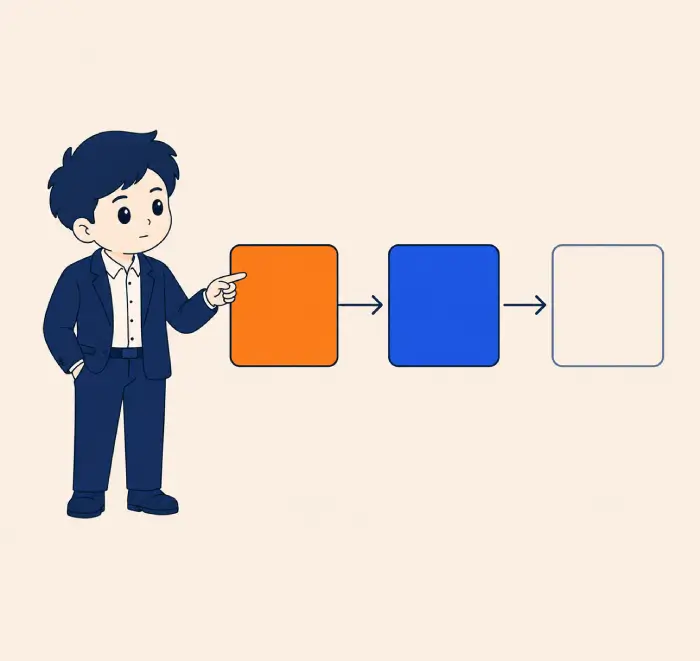
What a remit means

Four things to understand.

Remit is distinct from set aside. The difference affects what happens next.

Tribunal direction to Department

ART remits the case with specific directions. Department must act consistently with those directions.

Not a grant

The visa is not granted by the ART. Department issues the grant if satisfied that remaining requirements are met.

Directions can be broad or narrow

Broad directions (e.g., consider all evidence) leave Department discretion. Narrow directions (e.g., find the relationship genuine) effectively mandate grant.

Fresh Department consideration

Department treats the case as if decided afresh but within the Tribunal directions. Other factors can still be considered.

Common post-remit risks

Three ways it can still go wrong.

Most remits lead to grants, but specific risks need managing.
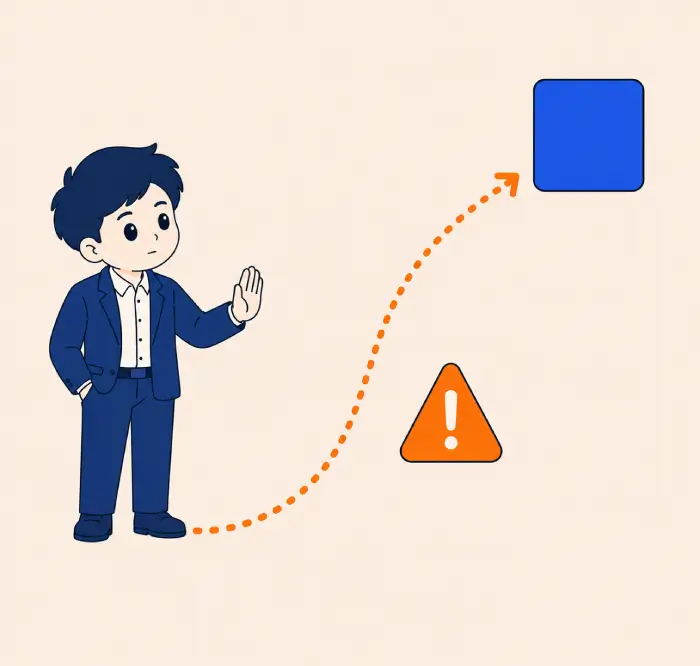
New factors emergingApplicant circumstances change during the long ART process. New health issue, new criminal matter, end of relationship can trigger fresh refusal.
Directions interpreted narrowlyDepartment sometimes interprets Tribunal directions more narrowly than applicants expect. Can lead to fresh refusal on different grounds.
Evidence update requestsDepartment may request updated evidence (fresh medicals, fresh police clearances, fresh references). Non-response extends processing or triggers refusal.
Strategic response

Three priorities.

Active engagement during the post-remit period maximises the chance of grant.

Stay responsive

Respond to Department requests promptly and completely. Delays stretch processing and raise concerns.

Update changed circumstances

Proactively update the Department on material changes. Better to address than to hide.

Do not assume automatic grant

Some remits take months to become grants. Stay engaged throughout.

Remits are typically finalised within 3-6 months of the ART decision.

The Department generally acts on remits within a few months, although some take longer. Applicants should expect some processing time post-remit and keep documentation current throughout. Medical and police clearances should be within validity at the time the Department acts.

Common questions

The questions we hear most.

For remit follow-through, book with Sourabh Aggarwal.
Can the Department refuse after ART remitted?
In narrow circumstances, yes. Usually on issues the ART did not specifically direct on.
Do I need a lawyer for the post-remit period?
Specialist support helps ensure Department requests are handled promptly and correctly. Often worth the support through to grant.
Can the ART direct specific visa grant?
Set aside with substitution leads to grant. Remit with directions may or may not lead to grant depending on interpretation.
What if the Department does not act on my remit?
After reasonable time, specialist follow-up to Department. Persistent delay can sometimes be addressed through further legal action.
Post-remit Department engagement and grant follow-through

Remit is a win. Carry it through.

Book a consultation. We handle Department engagement from remit to grant.

Some information on this page has been sourced from the Department of Home Affairs and has been interpreted and approved by Principal Migration Agent Sourabh Aggarwal (MARN 1462159). Last reviewed: May 2026.