Tribunal Win Patterns · Contemporaneous · Specific · Independent

What actually wins partner visa ART appeals?

Our partner appeal specialists Neha Sharma and Pragya Gautam have handled many 820/801 and 309/100 appeals at the Tribunal. After years of representing couples at the Administrative Review Tribunal, three evidence patterns consistently produce wins. Relationship evidence that is contemporaneous, specific, and independently corroborated. Here is what that looks like in practice.
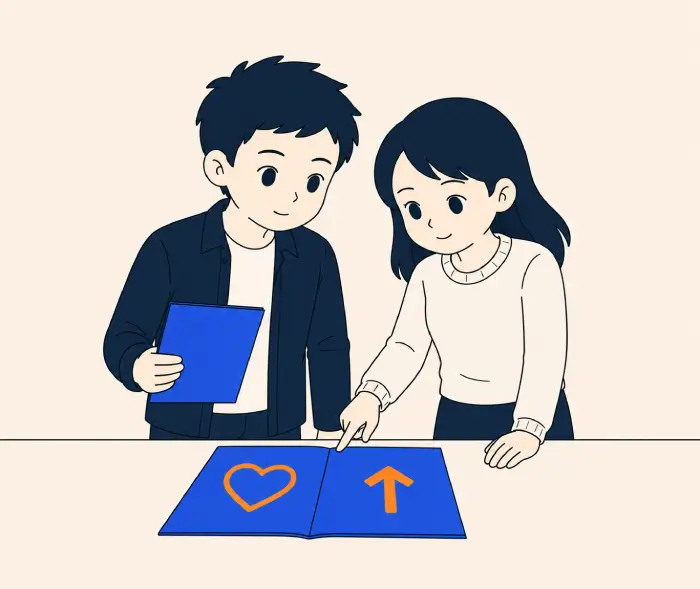
The three winning patterns

Contemporaneous. Specific. Independent.

These three characteristics appear in almost every successful ART partner appeal. Their absence appears in almost every failed one.

Contemporaneous

Evidence created at the time of the event, not reconstructed later. Bank statements, photos with metadata, tickets with dates, text message archives. Date-verifiable.

Specific

Named people, named dates, named places, named events. Not vague references to "spending time together" or "our friends".

Independent

Evidence from sources other than the couple themselves. Third parties, institutions, government records. Not self-authored statements alone.

All three combined

The strongest evidence has all three characteristics. A photo dated at a named event with named people present, taken by a friend, posted to social media.

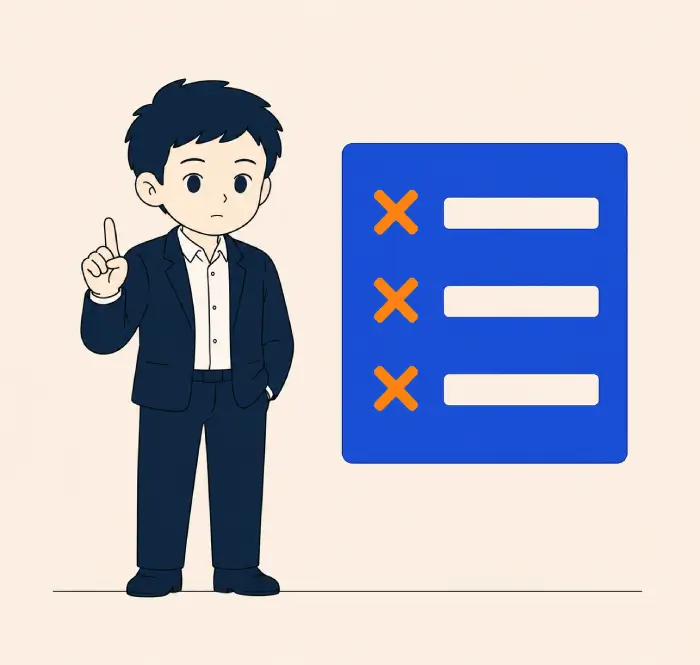
What fails at ART

Four common weak-case patterns.

Appeals that lose generally share patterns that the Tribunal has learned to identify.
Bulk-prepared evidenceAll statements drafted in similar voice and tone. Suggests coaching rather than genuine independent recollection.
Recent-only evidenceHeavy evidence of the last few months, sparse evidence of earlier periods. Suggests the relationship may have strengthened only for the application.
Unverifiable claimsClaims about shared activities without dates, photos, or receipts. Unverifiable shared life.
InconsistenciesDifferent accounts of how the couple met, timeline inconsistencies, different descriptions of daily life. Usually surfaced at oral hearing.
Oral hearing strategy

Where most appeals are won or lost.

Oral hearings are the defining moment for most partner appeals. Preparation changes outcomes.

Truthful and specific

Each party answers from genuine recollection. Specific dates and names. Acknowledgment of things not remembered.

Consistent between parties

Both parties interviewed separately. Consistency across the same questions indicates a real shared life.

Mock interview practice

Practicing the oral hearing format beforehand surfaces weak spots. See interview prep guide.

The single strongest partner ART appeal evidence is contemporaneous social media.

Posts, comments, tagged photos, and check-ins that pre-date the migration application by months or years are often the clearest evidence of a genuine pre-migration relationship. The Tribunal weighs this heavily when verifying whether the relationship predates the visa interest.

Common questions

The questions we hear most.

For partner ART appeals, book with Neha Sharma.

What if our social media is sparse?
Other independent sources compensate: workplace recognition, family photos from relatives, bank statements showing joint activity. Social media is strong but not required.
Do ART members ask the same questions in every appeal?
No. Questions are tailored to the specific weak points in the written evidence. Prepare by reviewing your own submissions and anticipating probing on gaps.
How long does a partner ART hearing take?
Often half a day. Sometimes longer for complex cases. Both parties typically give oral evidence with breaks.
What if my sponsor is unavailable for the hearing?
Unusual. The sponsor is expected to attend. If unavailable for genuine reasons, the Tribunal may accept written evidence with explanation.
Partner ART appeals prepared around winning evidence patterns

ART appeals are won on evidence patterns.

Book a consultation with Neha Sharma. We structure your appeal evidence around the patterns that win.

Some information on this page has been sourced from the Department of Home Affairs and has been interpreted and approved by Principal Migration Agent Sourabh Aggarwal (MARN 1462159). Last reviewed: May 2026.