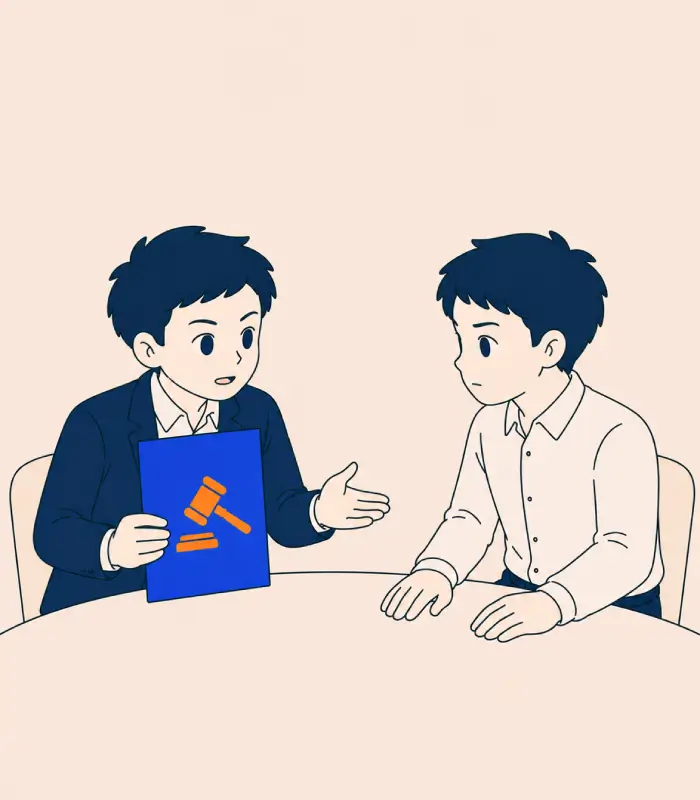
The Tribunal member
The decision-maker. A lawyer appointed to the Tribunal. Reviews your file before the hearing. Leads the questioning. Makes the final decision.
Our hearing team Sourabh Aggarwal, Neha Sharma, and Prateek Maan attends hearings across partner, skilled, and cancellation matters. This is where most ART appeals are won or lost. Knowing what happens, who is in the room, and how questions are structured changes how you perform and how the member assesses you. Here is what to expect.
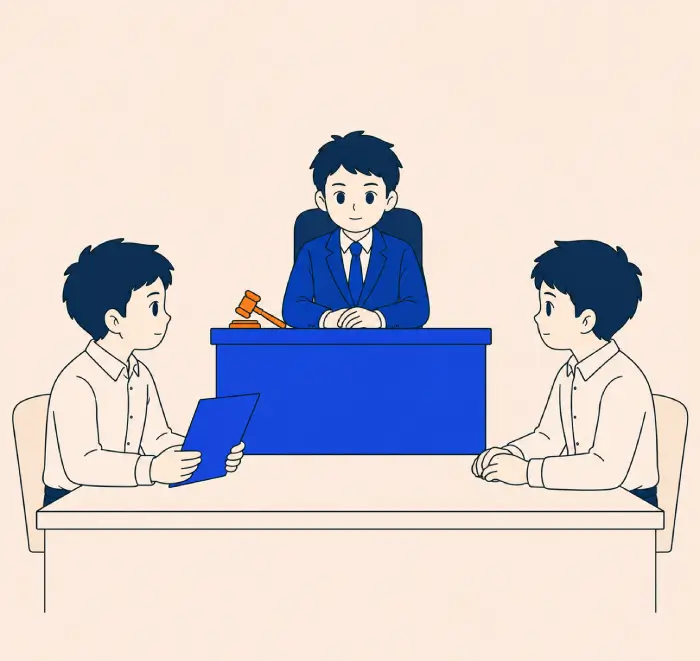
ART hearings are formal but structured. The cast is small and the format is consistent.
The decision-maker. A lawyer appointed to the Tribunal. Reviews your file before the hearing. Leads the questioning. Makes the final decision.
Gives oral evidence. Answers questions from the member. Usually seated opposite or beside the member.
If you have engaged a migration agent or immigration lawyer, they attend with you. Can make submissions, take notes, and prompt you on what to cover.
Sponsors, family members, experts may also attend if relevant to the case. Partner visa hearings usually include both applicant and sponsor giving evidence.
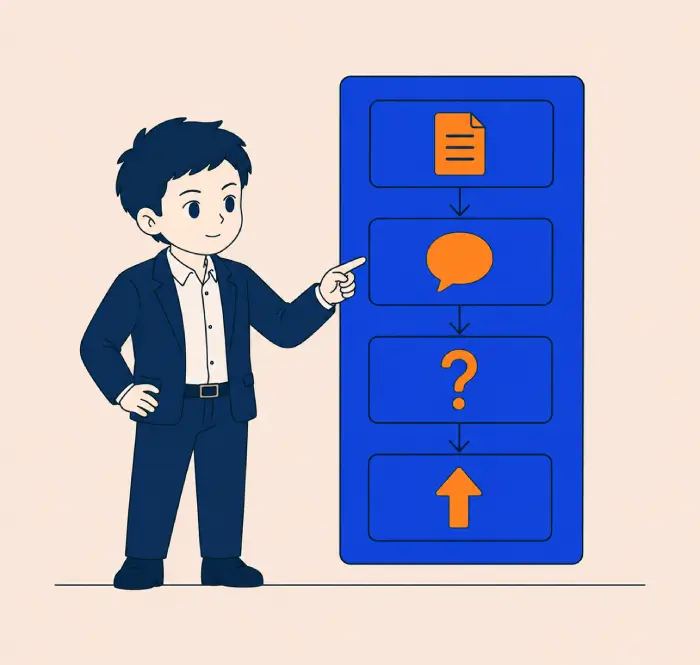
Most hearings follow a consistent structure although order varies by case type and member.
Small practical details matter for the hearing experience.
Bring identification, a copy of the refusal letter, and any documents referenced in your submissions. Your representative will have the full file.
Business or smart casual. Professional appearance communicates seriousness. Speak calmly and clearly.
Arrive 20-30 minutes early. Interpreters arranged in advance if needed. Tribunal provides them for most languages.
Despite the formality, most hearings are shorter than applicants expect. Complex partner or character cases can run longer. Simple documentary disputes can be shorter. The hearing time is not a measure of case seriousness.
For hearing preparation, book with Sourabh Aggarwal or Prateek Maan.